We often speak about attention as if it were a beam controlled by the mind: point it here, hold it there, bring it back when it wanders. This language is useful up to a point. It can also make attention sound detached from the body that is doing the attending.
Attention changes with muscular effort, breathing, pain, temperature, movement, familiarity and perceived safety. It narrows when a situation demands protection. It may become diffuse when too much information arrives at once. It may become clearer when the feet find support, when the eyes are allowed to move, or when the environment becomes less demanding.
From control to conditions
If attention has a body, difficulty concentrating is not always a failure of discipline. Sometimes the conditions for attending are not yet present. The question shifts from “Why can’t I focus?” to “What is my attention organising around, and what would give it more choice?”
This does not produce one universal technique. One person may need stillness; another may need rhythm or movement. One may need less sensory input; another may need something tangible to orient toward. The aim is not to impose a correct attentional state, but to become more precise about the conditions that make contact possible.
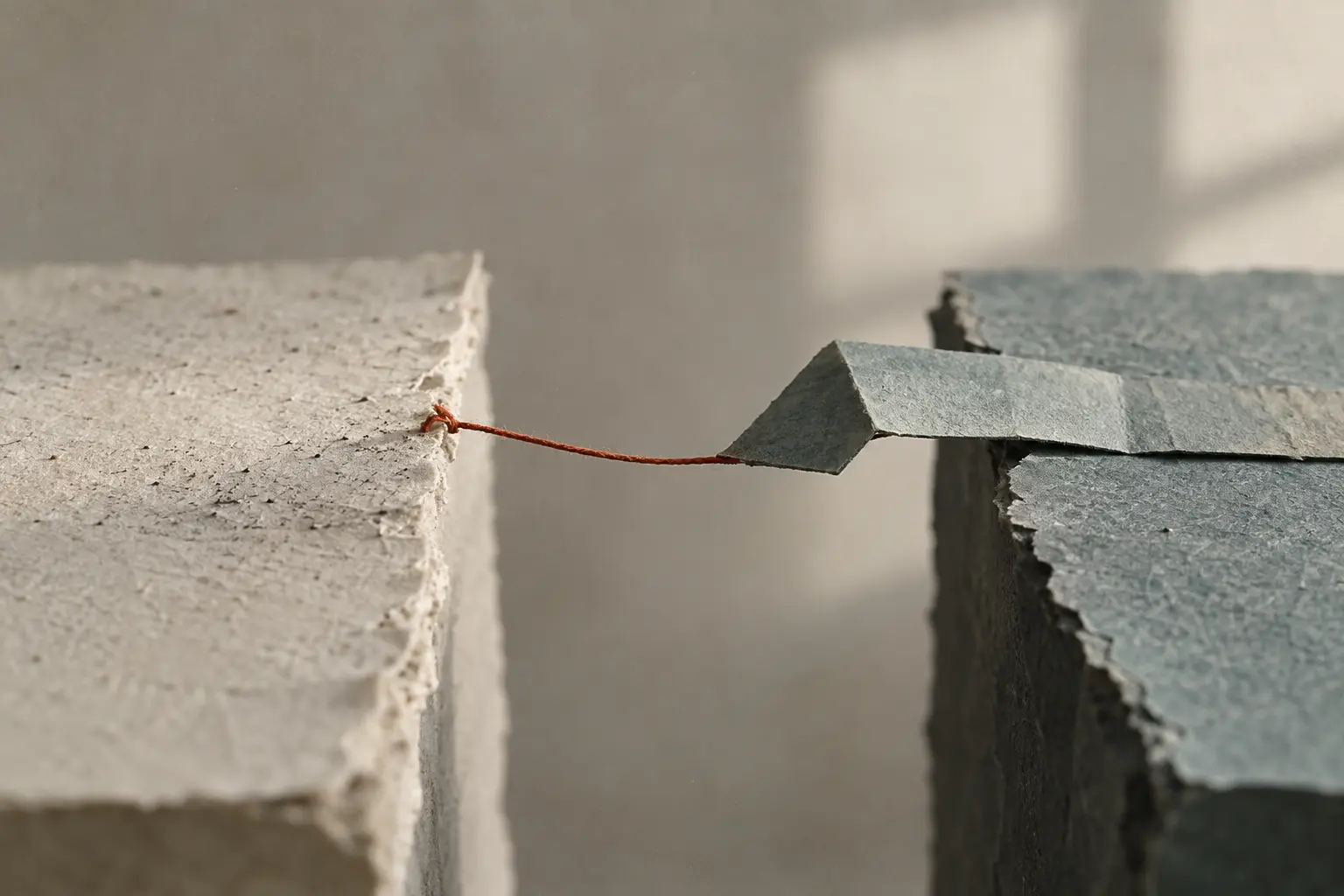
Attention becomes less a command and more a relationship between body, task and world.
That relationship can be explored. We can notice where attention goes, how it returns, what interrupts it and what allows it to stay without force. In this sense, attention is not separate from embodied life. It is one of the ways a living system meets its environment.