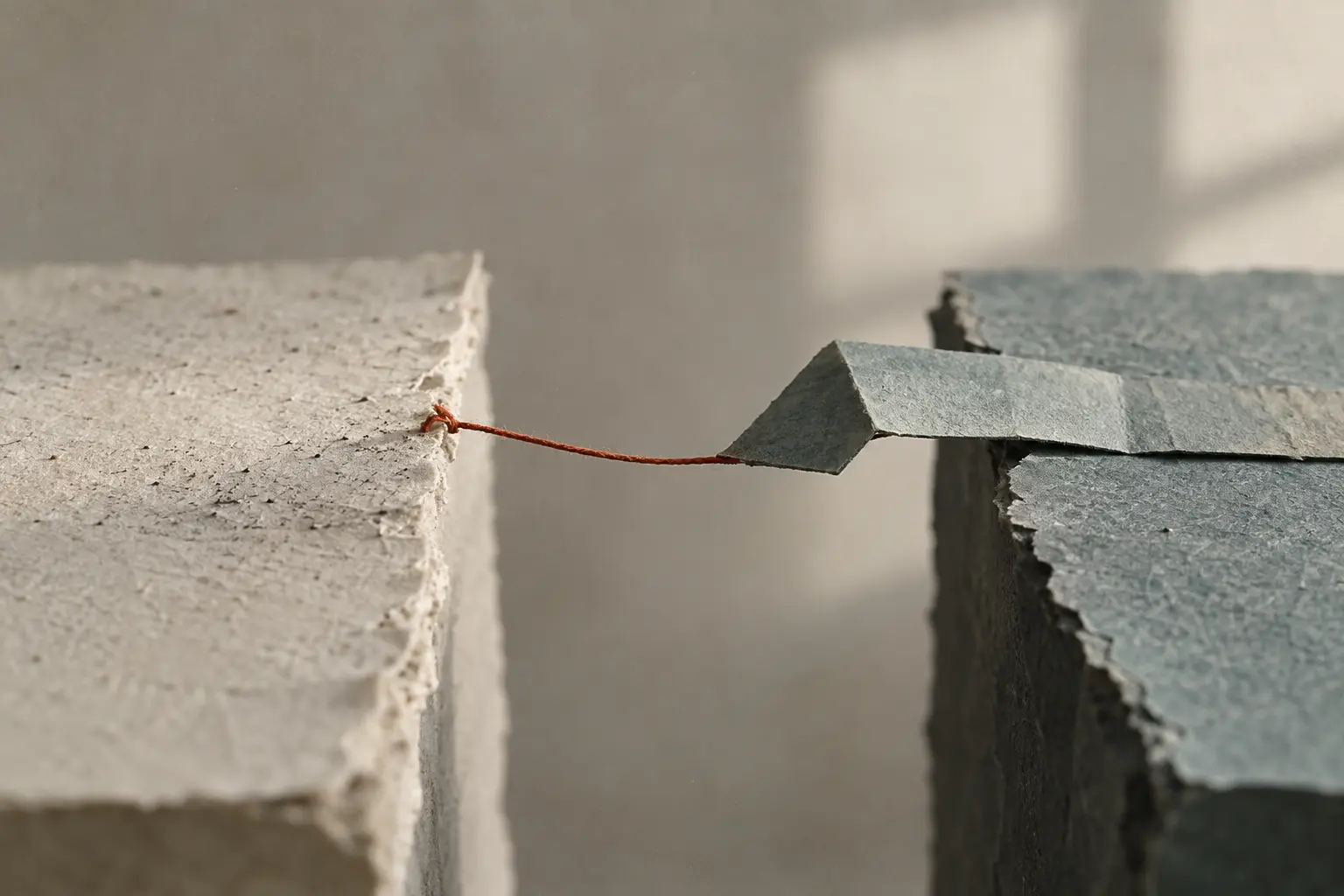
Dreams invite interpretation because they arrive already charged with feeling. An image can seem to demand an answer: What does it mean? What should I do? Is it a warning? The urgency is understandable, but it can move us away from the dream’s particular texture.
To stay with a dream is different from extracting a conclusion from it. We can return to the atmosphere, the position of the body, the quality of light, the distance between figures, or the movement that never quite happened. These details are not clues in a puzzle so much as parts of an experience that can continue unfolding.
Not every image asks to be solved. Some ask for a longer relationship.
A dream may eventually inform a choice. It may also change how a question is felt without producing an instruction. Giving it this freedom protects the dream from becoming another instrument of certainty—and protects us from having to turn every encounter with the unknown into a plan.