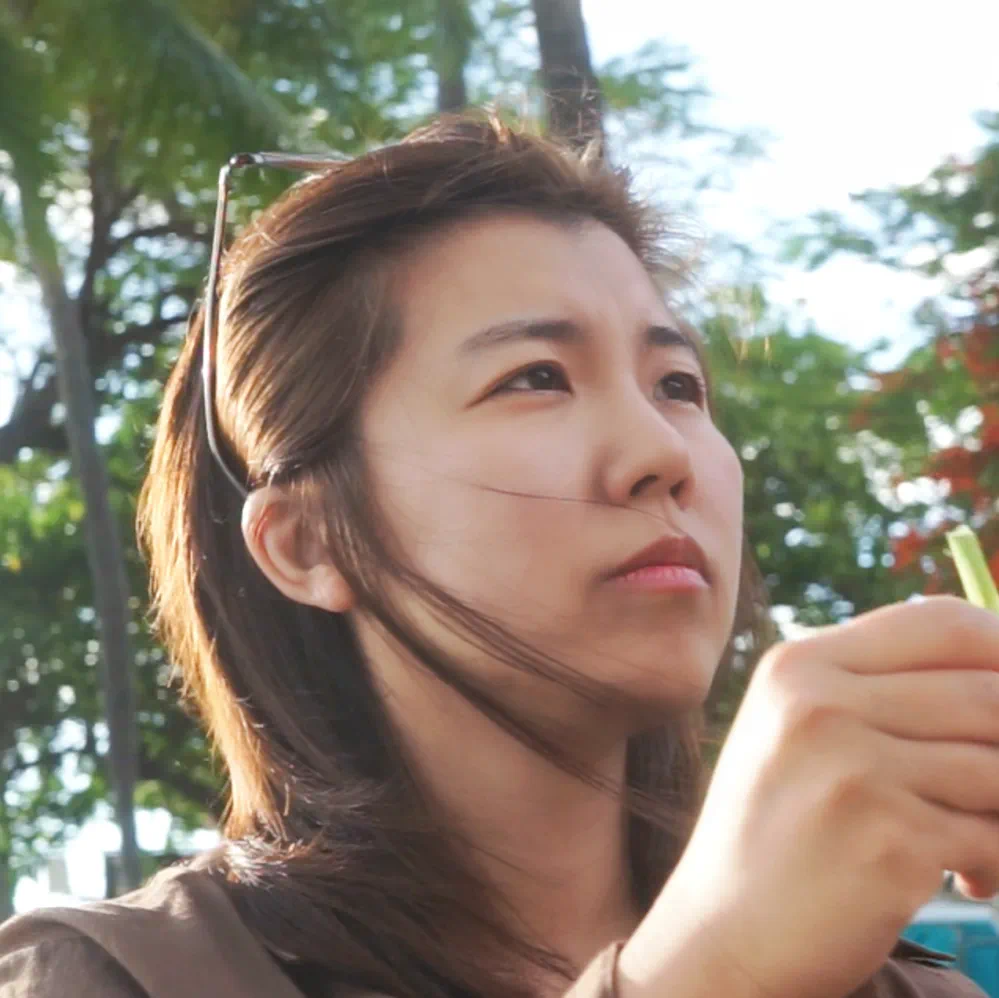
Chenxi Meng · Founder

The Founder’s Path

From studying human experience to learning how to inhabit it.

Follow the path
Scroll to explore

The puzzle-solver

For years, I explored human experience from the outside.

I have always been drawn to puzzles: how the mind works, how language shapes experience, and how one person communicates something of an inner world to another.

I studied psychology at Peking University, then moved into linguistics and spent the next decade researching language and culture. During doctoral fieldwork in Papua New Guinea, I became interested not only in grammar, but in stories of sorcery, traditional beliefs, and realities that could not always be neatly explained.

I loved unfamiliar systems, obscure clues and new ways of seeing. These explorations brought enormous curiosity, stimulation and pleasure.

But understanding the world did not yet teach me how to inhabit myself.

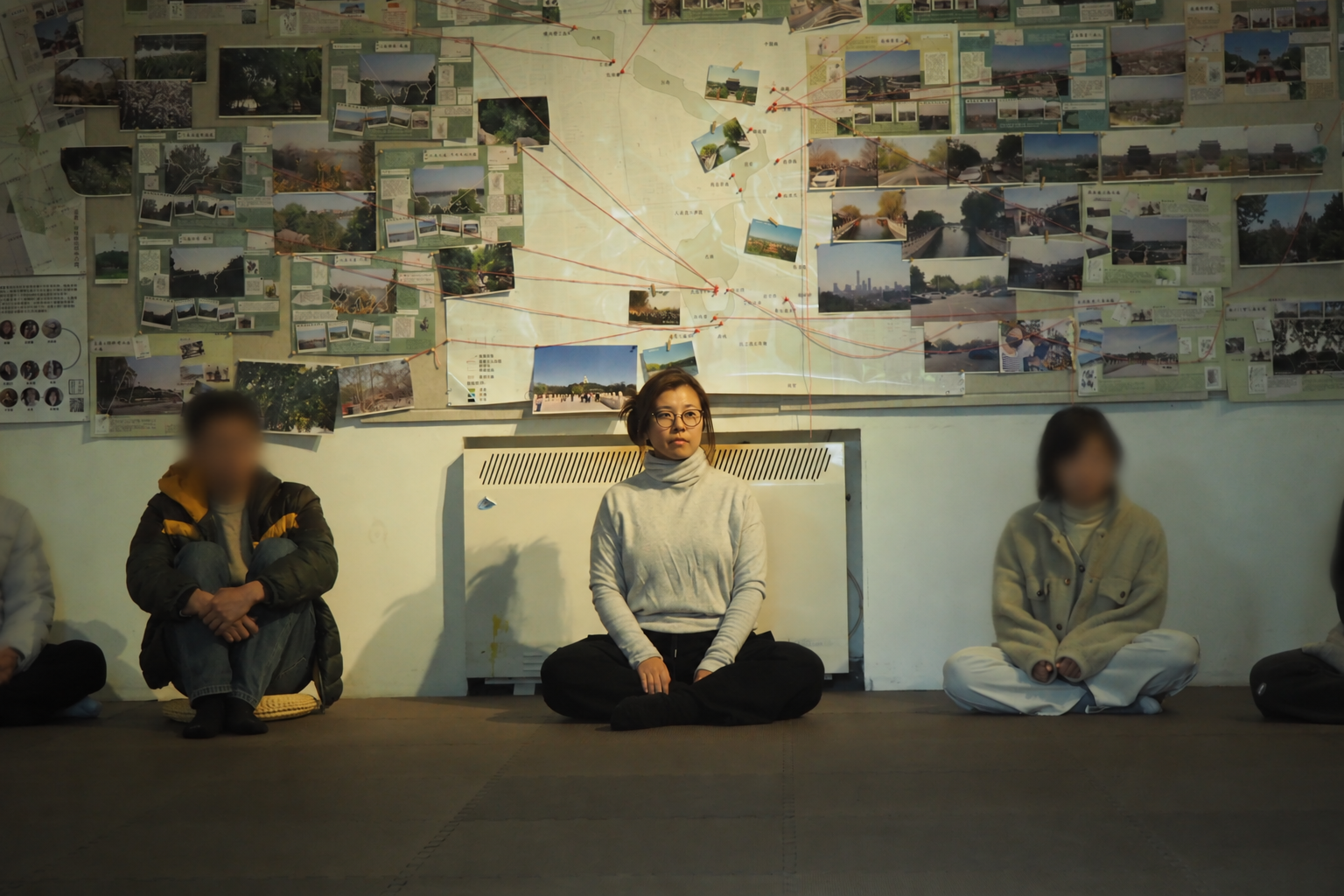
Chenxi Meng seated in an embodied practice setting
A practice of attention, before the answer is clear.
Chenxi Meng, founder of Demiplaner

Chenxi Meng
Founder & Lead Practitioner

The question turns inward

My own body was becoming difficult to ignore.

I lived with chronic pain, repeated injuries, allergies, anxiety, recurrent nightmares and persistent mind–body symptoms. I was also asking more serious questions about neurodivergence—and why so much understanding did not necessarily translate into feeling more at home in myself.

I had spent years studying human experience from the outside. I began to wonder what it would mean to know it from within.

That question brought me to the Feldenkrais Method®. It became the foundation of my somatic work and taught me something that has stayed with me ever since:

Gentle attention can be more powerful than control.

Through small experiments with movement and awareness, I experienced changes that analysis alone had not produced. Instead of beginning with what I should feel, how I should move, or which explanation was correct, I could begin with what was actually happening.
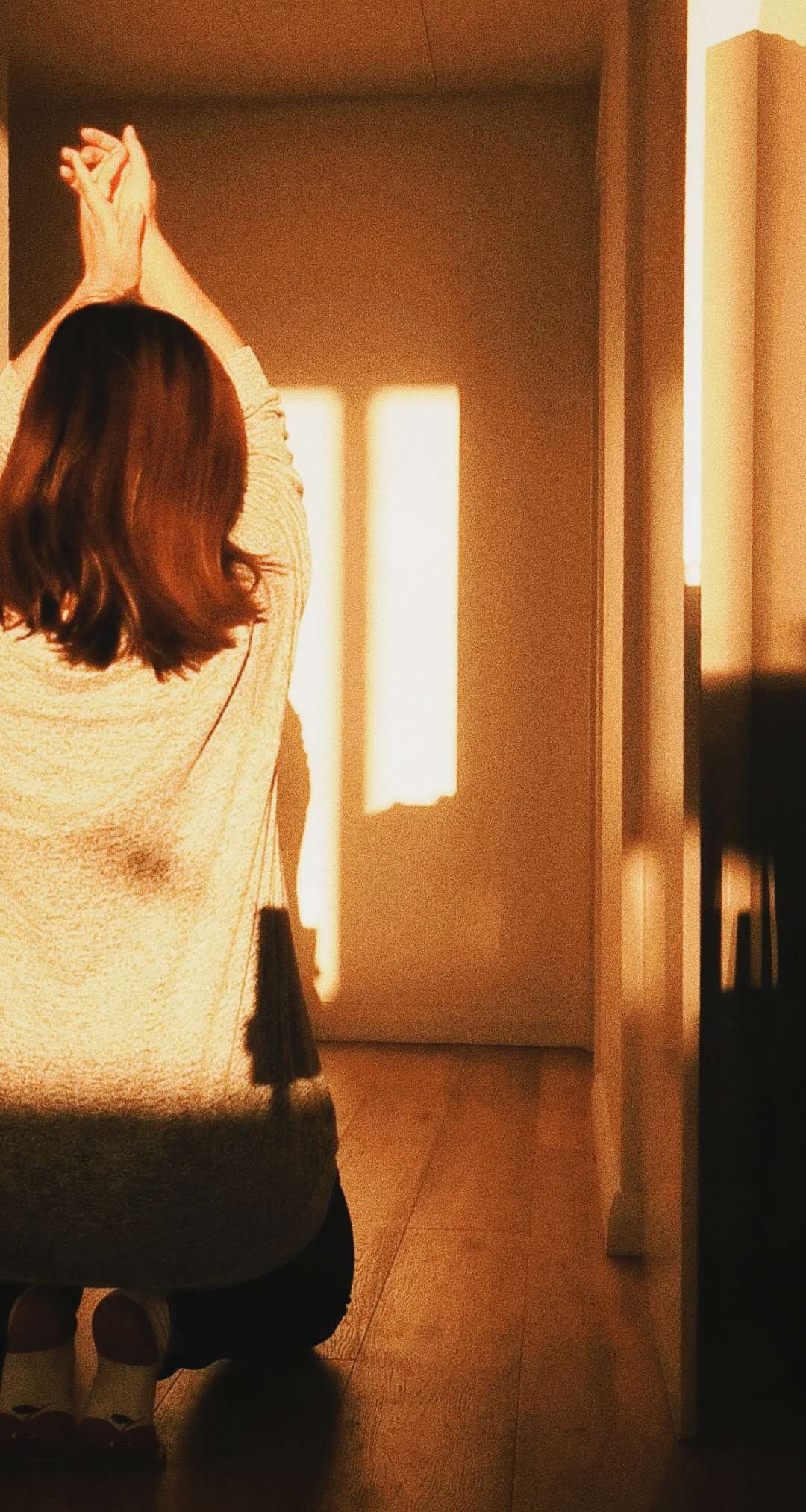
Two threads

Ground, and the freedom to leave familiar paths.

Over time, somatics and imagination stopped feeling like separate directions. My work began to form in the movement between them.

01

The body

A way back to the ground.

My study expanded through somatic movement, developmental work, voice, meditation and improvisation, including Body-Mind Centering®, Amerta Movement, Linklater Voice, Authentic Movement and Embodied Mindfulness.

Somatic practice gradually became a way of recovering inner authority—and of learning to inhabit myself more fully.

02

Imagination

A way beyond the paths I already knew.

A lifelong fascination with dreams, creativity, altered states and the unconscious led me to train in QHHT® hypnosis and Embodied Imagination, a neo-Jungian approach to dreams and imagery.

A dream could be re-entered rather than merely interpreted. Something imagined could change the way a person moved, breathed or understood a situation.

Professional grounding

Depth needs both curiosity and a dependable container.

As a somatic practitioner, my work is grounded in internationally recognised registration, practitioner training across movement, imagination and voice, and an ongoing personal practice that keeps the work experiential rather than merely conceptual.

Personal practice & continuing inquiry

Methods become meaningful through the body that practises them.

01Butoh02Qigong03Amerta Movement04Body-Mind Centering®05Linklater Voice06Wing Chun

Where the threads meet

Inner experience is not separate from how we move through the world.

  1. 01

    A sensation may become an image.

  2. 02

    An image may reorganise a movement.

  3. 03

    A dream may reveal what analysis has flattened.

  4. 04

    A decision may change when the body is allowed to participate.

Something that first appears to be resistance, dysfunction or failure may contain an intelligence that has not yet been recognised.

Widening the field

This is part of why neurodivergence became central to my work.

I am interested in what happens when we widen attention before trying to correct what we find.

Sometimes the unusual way a person attends, moves, imagines, organises, creates or relates contains the beginning of a capacity that has never been given the right conditions to develop.

The question is not simply, “How do we make this function normally?” It is also, “What kind of intelligence is already trying to take form here?”

From maps to facilitation

I still love maps. I no longer mistake them for the territory.

For a long time, every method and teacher felt like a new map. Eventually I began to see that the deepest work did not necessarily happen when I had the best one.

It often happened when I could loosen my grip on the structures I trusted—including the part of me that wanted to understand quickly—and stay with something I did not yet know.

Today, I am less interested in applying a method to a person than in creating the conditions in which something can unfold. Sometimes I offer structure. Sometimes I mirror a sensation, movement or pattern. Sometimes I bring knowledge from somatics, dreams, imagery, movement or language.

And sometimes the most important thing I can do is remain present while something uncertain, contradictory or not-yet-formed is given enough space to take shape.

Facilitation

From the Latin facilis — to make something easier or more possible.

Not fixing another person, but helping an already-emerging process become easier to follow.

The work today

I do not always know in advance where the work will go.

That is no longer something I see as a problem. It is often where the work begins.